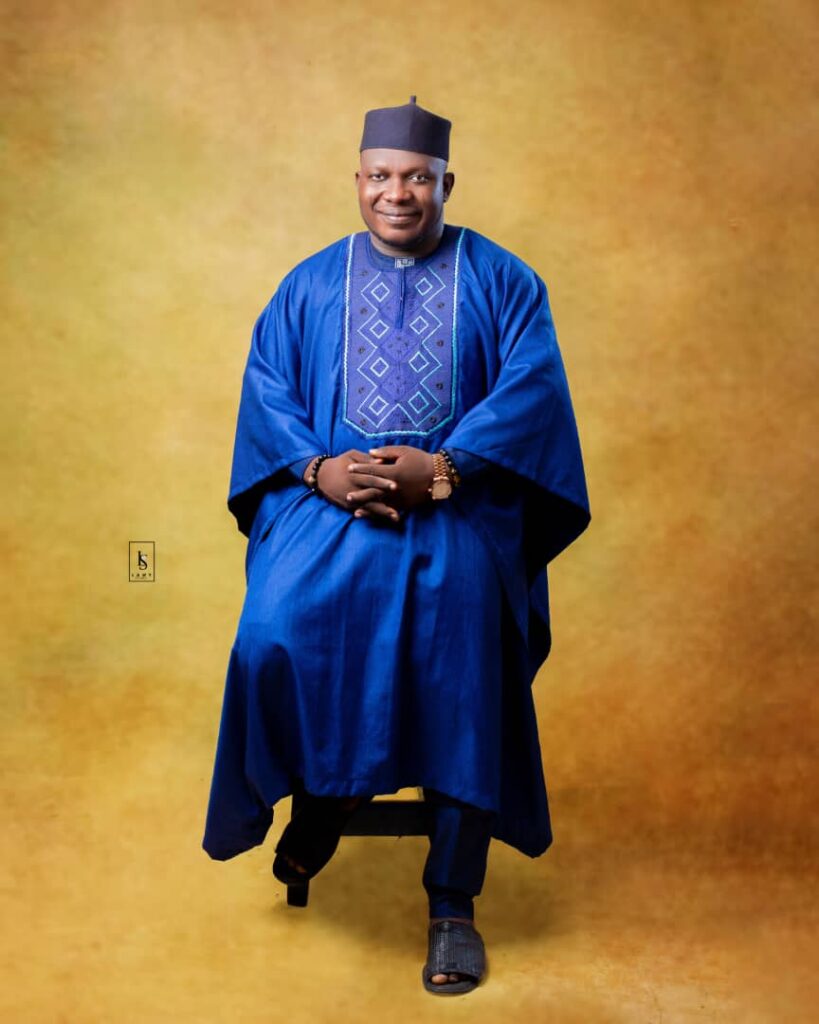
Prince Abdulfatai Adeyemi Olagbenro’s renewed interest in the Atisbo/Saki East State Assembly seat ahead of 2027 is neither accidental nor impulsive. It is the product of years of calculated political grooming, patience, and consistent grassroots engagement. In a political environment where ambition is often loud but preparation is thin, PAO represents a different kind of aspirant — one whose journey suggests readiness rather than rush.
What stands out most in PAO’s ambition is continuity. This is not a newcomer testing the waters, but a familiar face who has walked the terrain, built networks, lost, stepped aside, and learned. His previous decisions to step down in 2019 and 2023, though controversial to some supporters at the time, now appear strategic. In a polity where ego often trumps party cohesion, such restraint projects maturity and loyalty — qualities parties increasingly value as elections approach.
His youth appeal also places him in sync with the current political mood. Across Oyo North and Nigeria at large, there is a growing demand for leaders who understand modern political communication, youth mobilisation, and issue-based advocacy. PAO’s background in student unionism and youth congress leadership gives him an edge in this regard. He speaks the language of the young without alienating the older political structure — a delicate balance many aspirants struggle to achieve.
Equally significant is his administrative exposure. From legislative assistance to executive roles at the local government level, PAO has seen governance from both the lawmaking and implementation sides. This experience strengthens his claim that he understands not just politics, but the mechanics of governance — budgets, oversight, constituency relations, and bureaucracy.
However, ambition alone does not win elections. The 2027 contest in Atisbo and Saki East will demand more than pedigree and preparation. It will require deep consensus-building, clear articulation of constituency-specific issues, and the ability to convert goodwill into votes across wards and party lines. Voters will look beyond titles and résumés to ask a simple question: what changes with PAO?
If Prince Olagbenro can successfully translate his long years of preparation into a people-centered message — focusing on rural development, youth employment, education access, and legislative visibility — he may well emerge as a formidable force. His task now is to move from being a well-known aspirant to becoming a widely accepted choice.
As the 2027 race gradually unfolds, one thing is clear: PAO’s ambition is no longer speculative. It is deliberate, structured, and increasingly difficult for political stakeholders in Atisbo and Saki East to ignore. Whether the moment finally aligns with the mandate will depend on how effectively preparation meets opportunity.
Ridwan Akeem writes from Ward 2, Saki East Local Government, Oyo State.