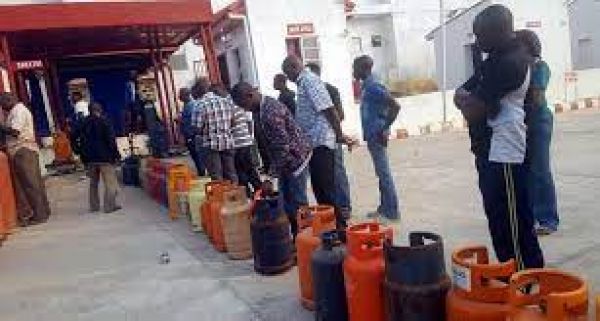
Nigerians may face fresh economic pressure following a new increase in domestic gas prices, a development expected to impact electricity tariffs, manufacturing costs, and the overall cost of living.
The Nigerian Midstream and Downstream Petroleum Regulatory Authority (NMDPRA) on Tuesday announced an increase in the Domestic Base Price of natural gas to $2.18 per MMBtu, effective April 1, 2026, up from $2.13/MMBtu in 2025.
Although the increase represents a five-cent rise, about 2.35 per cent, analysts say the adjustment could have broader consequences for households and businesses.
The regulator explained that the review was carried out in accordance with the Petroleum Industry Act, existing gas pricing regulations, and prevailing market realities.
“The new pricing reflects market conditions and regulatory provisions,” the authority said, adding that the adjustment is necessary to ensure sustainable gas supply and attract investment into the sector.

Gas remains the primary fuel for Nigeria’s power sector, accounting for over 70 per cent of electricity generation.
Experts warn that any increase in gas prices is likely to raise the cost of power generation, which could ultimately be transferred to consumers through higher electricity tariffs.
For many Nigerians already grappling with rising utility bills, the development signals the possibility of further financial strain.
Beyond electricity, industries heavily dependent on gas – including manufacturing, cement, and food processing – are also expected to experience higher operating costs.

This could lead to increased prices of goods and services, further squeezing consumers already dealing with inflation.
The NMDPRA also announced an increase in gas prices for commercial users, who will now pay $2.68/MMBtu, up from $2.63/MMBtu last year.
Businesses affected by the hike may have little option but to pass the additional costs to consumers.
The Domestic Base Price serves as the minimum benchmark for gas sales within Nigeria, influencing pricing across the domestic market.
While the government insists the adjustment is necessary to maintain investor confidence and ensure adequate supply, stakeholders say the timing could worsen economic hardship.

Nigeria has recently introduced several economic reforms aimed at stabilising the economy and attracting investment, but these measures have also led to higher costs in key sectors, including fuel, electricity, and now gas.